
–
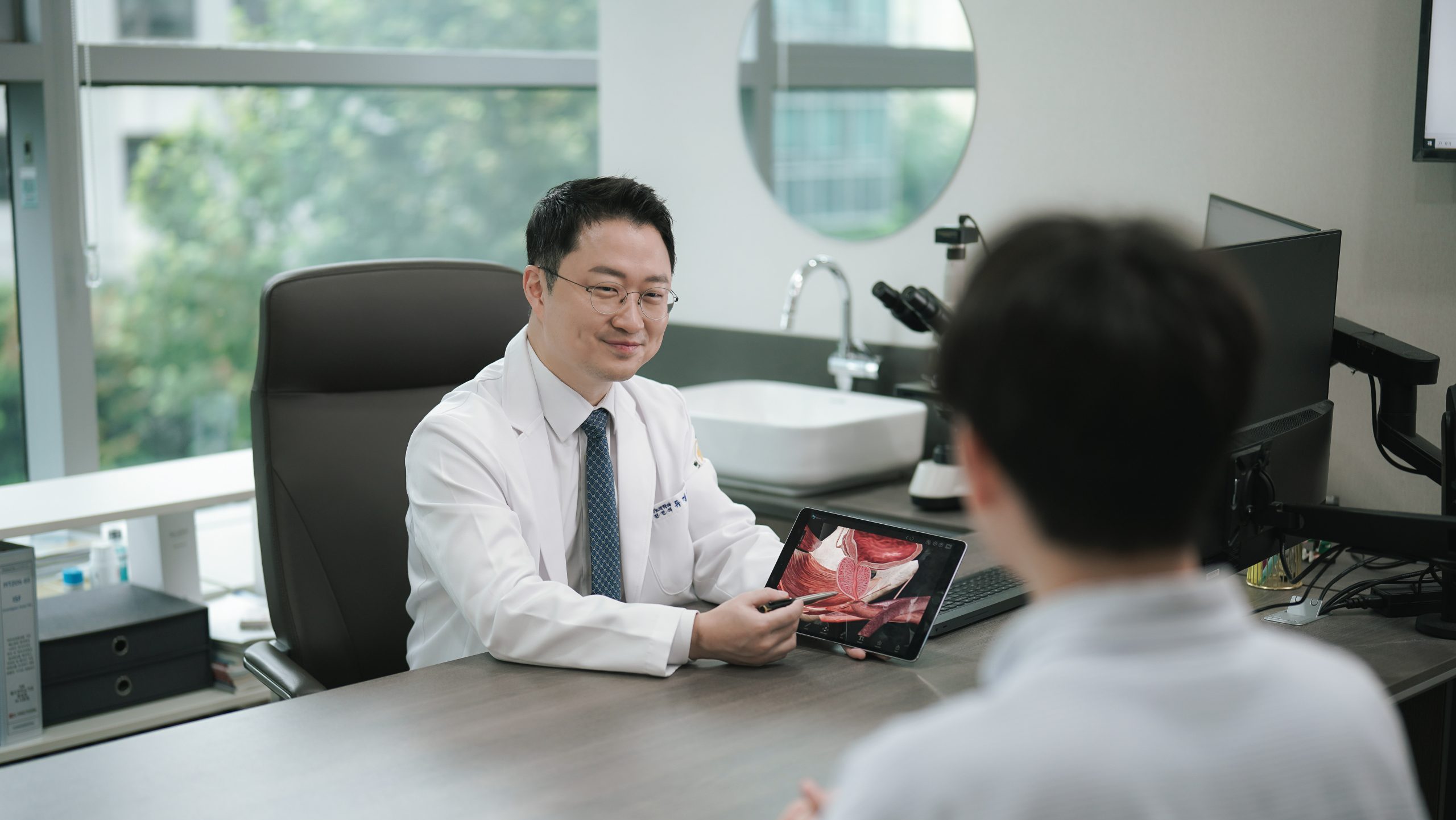
Prostate enlargement, or benign prostatic hyperplasia (BPH), affects millions of aging men worldwide. Today, robotic surgery offers a highly precise solution.
One of the latest innovations in this field is Aquablation therapy. Many patients researching treatment options in South Korea ask about the cost of this procedure in Seoul.
This guide breaks down the financial and clinical factors of Aquablation to help you make an informed decision.
–
What is Aquablation Therapy?
Aquablation is a minimally invasive, robotic treatment for BPH. It uses a high-velocity, heat-free waterjet to remove obstructive prostate tissue.
During the procedure, the surgeon utilizes real-time ultrasound and cystoscopy. This dual imaging creates a precise 3D map of the patient’s prostate.
The robotic arm then removes the targeted tissue automatically based on this map. Importantly, because this process does not use heat, it protects the surrounding delicate nerves responsible for sexual function.
–
How Much Does Aquablation Cost in Seoul?
In Seoul, Aquablation is classified as an advanced robotic procedure. Currently, the Korean National Health Insurance Service (NHIS) does not cover the full cost of Aquablation. Therefore, it is categorized as a non-reimbursable (non-benefit) procedure.
The total cost of Aquablation in Seoul typically ranges from 10 million KRW to 15 million KRW.
This price range generally includes:
* Pre-operative diagnostic testing and imaging
* The disposable robotic handpiece (a single-use component)
* The robotic system utilization fee
* Anesthesia and operating room charges
* Post-operative recovery and inpatient stay
In contrast, traditional procedures like TURP or HoLEP are often covered by national health insurance in South Korea. They usually cost patients between 2 million KRW and 4 million KRW out of pocket.
–
Why Does the Cost Vary Among Seoul Clinics?
Several clinical and structural factors influence the final price at different medical centers in Seoul:
1. Diagnostic Precision: Advanced clinics use state-of-the-art diagnostic tools before surgery. For example, premier urology centers in major Seoul hubs like Gangnam and Jamsil utilize S-Fusion™ MRI-ultrasound fusion biopsy technology. This AI-assisted system maps the prostate in 3D to ensure perfect surgical planning.
2. Surgical Facilities and Infrastructure: High-volume urology networks in Seoul maintain dedicated robotic surgery suites equipped with uninterruptible power supplies (UPS) and private recovery wards. These facilities ensure maximum patient safety but can affect overall pricing.
3. Surgeon Experience and Technique: Highly experienced surgeons often perform advanced variations of the procedure. One such technique is the “Hood Sparing” method, which protects critical anatomical structures and doubles the preservation rate of sexual function compared to conventional methods.
–
Aquablation vs. HoLEP vs. TURP: A Comparative Matrix
To evaluate the true value of your investment, it is helpful to compare Aquablation with other standard surgical options:
| Clinical Factor | Aquablation (Waterjet) | HoLEP (Holmium Laser) | TURP (Transurethral Resection) |
| Average Cost in Seoul | 10M – 15M KRW (Non-reimbursed) | 2M – 4M KRW (NHIS Covered) | 1.5M – 3M KRW (NHIS Covered) |
| Energy Source | High-pressure waterjet (Heat-free) | Holmium Laser (Thermal energy) | Electrosurgical current (Thermal) |
| Prostate Size Limit | No limit | No limit (Excellent for >80g) | Usually limited to <80g |
| Ejaculatory Preservation | Extremely High (80%–90%) | Moderate to Low (20%–40%) | Low (10%–20%) |
| Average Hospital Stay | 1 to 2 days | 1 to 2 days | 2 to 4 days |
–
Who is the Ideal Candidate for Aquablation?
Clinical guidelines recommend Aquablation for specific patient profiles:
* Patients Prioritizing Sexual Function: If maintaining normal ejaculatory and erectile function is your primary concern, Aquablation is highly recommended.
* Moderate to Large Prostates: The robotic planning software accommodates prostates ranging from 30g to well over 100g.
* Complex Anatomy: The dual-imaging system allows surgeons to navigate unusual lateral or median lobes safely.
* Note: Patients with active, severe bleeding disorders may require alternative thermal treatments, as Aquablation does not rely on heat to coagulate blood vessels during tissue removal.
–
Clinical Reality Check: Risks and Recovery
Every surgical procedure carries minor risks. During Aquablation, temporary mild bleeding is common immediately after tissue removal. To manage this, surgeons often place a temporary catheter with a tension balloon. Most patients in Seoul undergo a structured One-Day Recovery Protocol, allowing catheter removal within 24 to 48 hours so they can return to daily activities quickly. Long-term clinical data is highly reassuring. The five-year retreatment rate for Aquablation remains low, typically ranging between 2% and 4% in global medical literature.
–
Expert Clinical Comment
“While the initial out-of-pocket cost of Aquablation in Seoul is higher than traditional laser surgeries, patients must weigh this against long-term quality of life,” stated Dr. Gyeongho Ryu from Goldman Urology Clinic.
“The heat-free robotic waterjet provides unprecedented safety for critical nerves, making it the premier choice for preserving sexual and ejaculatory function. At Goldman, we do not rely on a single surgical method. Instead, we evaluate each patient’s unique anatomy using AI-assisted diagnostic tools like S-Fusion™ MRI fusion biopsy and customize the treatment across our five major BPH surgical platforms. Our goal is always to deliver maximum safety, minimal pain, and a rapid return to daily life.”
Goldman Urology Clinic: http://gold-man.com/en/