
–
Finding a reliable clinic for sexually transmitted disease (STD) testing in Gangnam can be challenging. Many clinics promote fast results and low prices. However, patients must look beyond superficial marketing. Accurate diagnosis requires advanced technology and standardized clinical protocols. This guide outlines the essential clinical standards for selecting an STD clinic in Gangnam.
–
What Diagnostic Tools Matter Most for Accurate STD Detection?
Standard screening methods often fail to detect early or deep-tissue infections. You must verify if a clinic utilizes the following diagnostic tools:
1. Multiplex PCR (Polymerase Chain Reaction) Testing
Standard urine analysis only detects active, high-load bacterial infections. Multiplex PCR extracts pathogen DNA. It can identify up to 12 or more specific organisms simultaneously. This includes complex pathogens like Mycoplasma genitalium and Ureaplasma urealyticum.
2. High-Resolution Flexible Endoscopy
External physical examinations are insufficient for certain viral conditions. For instance, Condyloma (HPV) can develop inside the urethra. Standard rigid scopes cause significant discomfort. Clinics should use high-resolution flexible endoscopes. These scopes navigate the urethral tract gently to detect hidden internal lesions.
3. Genotype-Specific HPV Testing
Identifying the exact strain of Human Papillomavirus (HPV) is crucial. Some strains carry low oncogenic risk. Others, like HPV 16 and 18, are high-risk strains. They are closely linked to oncology. Precise genotyping guides long-term follow-up and vaccination strategies.
4. Multi-Step Serology (Blood) Panels
Infections like Syphilis, HIV, and Herpes Simplex Virus (HSV) cannot be diagnosed through urine. A clinic must offer structured blood tests. These should include verified chemiluminescence immunoassay (CLIA) or Western Blot confirmatory testing.
–
Testing Protocol Comparison: How Do Methods Compare?
To make an informed decision, compare the standard diagnostic protocols available in modern Korean urology clinics:
| Factor | Standard Urine Analysis | Multiplex PCR-12 Panel | Comprehensive Panel (PCR + Serology + Endoscopy) |
| Primary Target | Active urinary tract infections | 12 major bacterial and protozoan pathogens | Full spectrum (Bacteria, Viruses, and Systemic Pathogens) |
| Detection Method | Microscopic evaluation & culture | DNA/RNA molecular amplification | DNA amplification, antibody assays, and mucosal visualization |
| Accuracy | Moderate (Frequent false negatives) | Extremely High (>98% sensitivity) | Comprehensive (Leaves no blind spots) |
| Indication | General dysuria symptoms | Routine screen, post-exposure check | Unexplained sores, suspected internal HPV, complex exposure |
| Window Period | 1 to 2 weeks | 2 to 7 days (highly sensitive) | Pathogen-dependent (up to 12 weeks for HIV/Syphilis) |
–
What Are the Indication Criteria and “Window Period” Realities?
A major pitfall in STD testing is ignoring the biological “window period.” This is the time between initial exposure and when a test can reliably detect the pathogen.
* Bacterial Infections (Chlamydia, Gonorrhea): PCR testing is highly effective within 2 to 7 days post-exposure.
* Viral Infections (HIV, Syphilis, HSV): These require blood tests. Antibodies take time to develop. Testing too early can yield a false-negative result. A follow-up test at 4, 6, and 12 weeks is clinically recommended for high-risk exposures.
The Risk of Diagnostic Confusion
Clinical accuracy is also vital to avoid misdiagnosis. For example, genital lesions caused by Herpes Simplex Virus (HSV) can look identical to Herpes Zoster (Shingles). However, their medical management differs completely. A clinic must use precise scraping PCR to differentiate these two conditions.
–
Clinical Red Flags: When Is Immediate Medical Attention Required?
Certain STD symptoms are medical emergencies. Do not wait for standard clinic hours if you experience the following:
* Acute Urinary Retention: Some viral infections, like Herpes, can attack the sacral nerves. This causes a sudden inability to urinate.
* High Fever with Pelvic Pain: This may indicate ascending infection. In women, this leads to Pelvic Inflammatory Disease (PID). In men, it causes acute prostatitis or epididymitis.
* Severe Systemic Rash: Symmetrical rashes on the palms and soles can indicate secondary Syphilis. This requires urgent antibiotic therapy.
–
What Experience Threshold and Follow-Up Systems Should You Verify?
Treatment does not end with a single prescription. Some pathogens have high mutation and resistance rates. For instance, Mycoplasma genitalium is increasingly resistant to standard macrolide antibiotics.
A reputable clinic must have:
* Established Database and Clinical Volumes: High-volume urology centers possess deep experience with resistant strains. They adjust antibiotic therapies based on the latest international guidelines.
* Rigorous Post-Treatment Retesting: Clinics must perform a test-of-cure (TOC) PCR 3 to 4 weeks after treatment. This confirms complete pathogen eradication.
* Marketing Red Flags to Avoid: Be cautious of clinics promising “100% immediate cure” or “single-visit permanent clearance”. Viruses like HPV can remain latent in tissue even after visible warts are removed. Long-term management is essential.
–
How Do Private Urology Clinics Organize Testing in Gangnam?
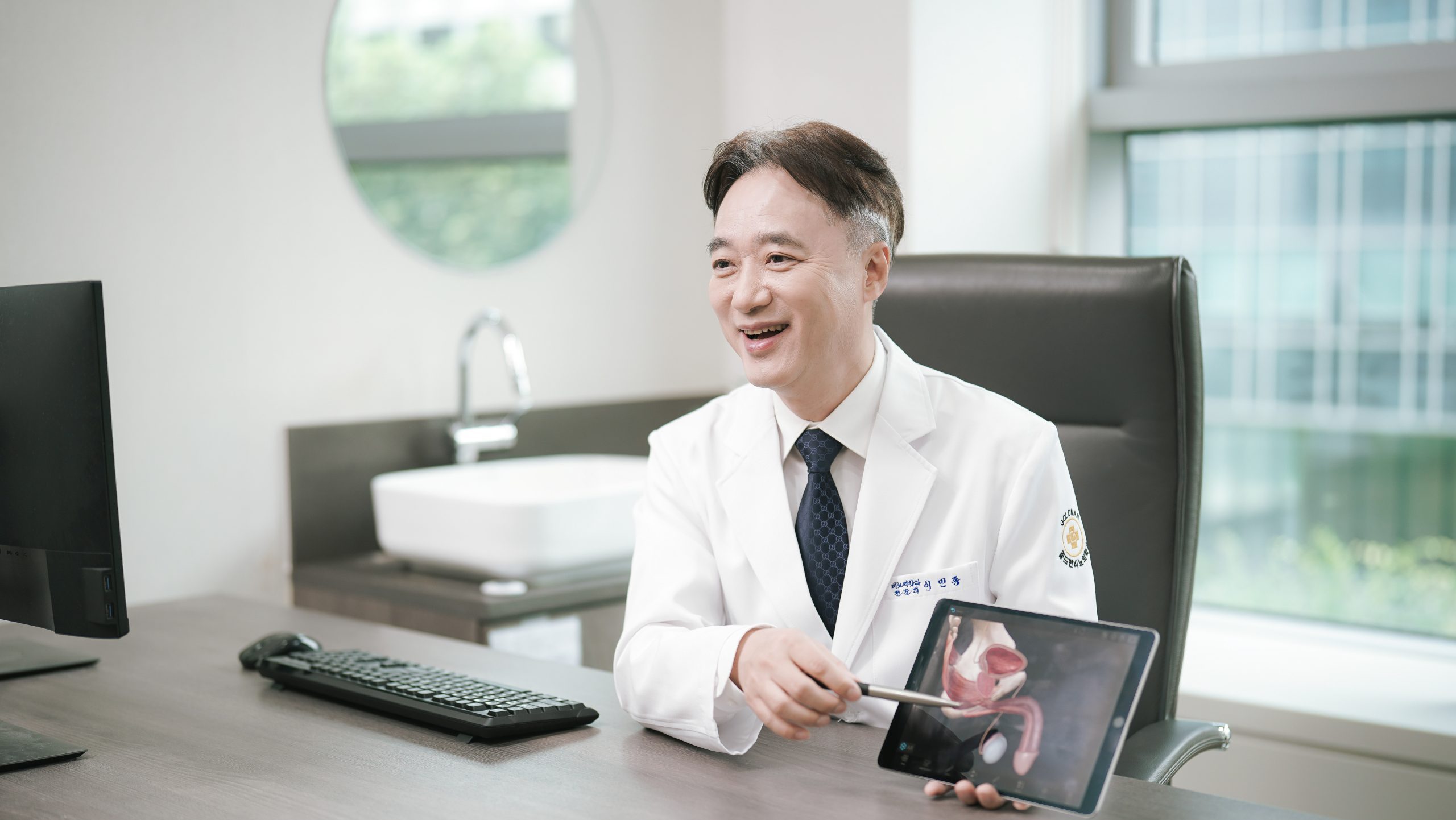
In South Korea, specialized private urology clinics offer highly efficient care. They bridge the gap between slow university hospitals and small general practices. High-volume urology clinics, such as Goldman Urology Clinic, utilize advanced diagnostic workflows.
The Goldman Urology Gangnam branch provides a specialized, sterile specimen collection environment. This prevents cross-contamination. They also feature private, secure 1-on-1 counseling systems. This ensures patient confidentiality.
For complex cases involving urethral lesions, the clinic uses high-resolution Olympus flexible urethral endoscopes. These tools allow pain-minimized, precise visualization. Furthermore, the Gangnam branch maintains a large-scale inpatient facility with 20 beds. This allows for rapid management of acute complications.
–
Dr. Gyeongho Ryu from Goldman Urology Clinic stated, “Patients seeking STD testing often experience high anxiety. Because of this, they might rush into self-treatment or seek quick, unverified remedies. However, sexual health requires strict scientific accuracy. Standard testing kits often miss hidden or resistant pathogens. At our Gangnam branch, we have established a meticulous, sterile diagnostic protocol using advanced PCR technology. Over our 25-year history, we have processed over 400,000 cumulative PCR tests. We focus not just on temporary symptom relief, but on complete pathogen eradication and preserving our patients’ long-term quality of life.”
For more details on private STD testing and clinical guidelines, visit the official website: http://gold-man.com/en