
–
Urinary stones (urolithiasis) represent a painful medical emergency. The condition causes sudden, severe flank pain. Therefore, patients require immediate diagnosis and treatment.
Residents in Dongjak-gu face several clinical choices. They can visit local clinics, general hospitals, or specialized centers. However, selecting a facility requires careful clinical evaluation. This guide provides an objective framework for decision-making.
–
1. What Diagnostic Tools Matter for Urinary Stones?
Accurate diagnosis prevents unnecessary procedures. Standard X-rays often miss up to 30% of stones. Especially, radiolucent stones do not appear on traditional films. Therefore, advanced imaging is essential.
* Low-Dose CT Scans: This is the gold standard of diagnostics. It determines the exact size, location, and density of the stone.
* Ultrasound: This tool helps evaluate kidney swelling (hydronephrosis) and anatomical structures.
* AI-Assisted Diagnostics: Recently, AI tools have greatly improved precision. For example, some advanced centers utilize CT-based AI diagnostic software like Eurodot AI. This technology analyzes the presence, location, and size of stones in five minutes. It can identify small stones under 4 mm with high accuracy. Fast diagnosis is critical during acute pain episodes.
–
2. ESWL vs. Endoscopic Surgery: Clinical Selection Matrix
Clinicians choose treatments based on stone characteristics. The two primary methods are Extracorporeal Shockwave Lithotripsy (ESWL) and Endoscopic Surgery. The latter includes Ureteroscopy (URS) and Retrograde Intrarenal Surgery (RIRS).
| Clinical Factor | Extracorporeal Shockwave Lithotripsy (ESWL) | Endoscopic Surgery (URS / RIRS) |
| Primary Indication | Stones < 10 mm in diameter | Stones > 10 mm, hard stones, or lower pole stones |
| Stone Density | Lower density (< 1,000 Hounsfield Units) | High density (> 1,000 Hounsfield Units) |
| Anesthesia | No anesthesia or mild sedation | Caudal (pelvic) anesthesia or spinal anesthesia |
| Immediate Clearance Rate | 60% – 80% (often requires multiple sessions) | 90% – 95% (typically achieved in one session) |
| Retreatment Rate | Higher (residual fragments may remain) | Very low |
| Recovery Timeline | Immediate discharge; fragments pass over weeks | Discharge within hours; immediate stone extraction |
Clinical Indication Guidelines:
* Choose ESWL if: The stone is small, soft, and located in the upper urinary tract.
* Choose Endoscopic Surgery if: The stone is large, hard, or located in the lower kidney pole. It is also preferred when immediate pain relief and complete clearance are required.
–
3. Failure, Conversion, and Red Flag Signs
Treatments do not always succeed. Patients must understand potential failure scenarios and emergency signs.
* ESWL Failure: If a stone does not fragment after two sessions, clinicians must change the approach. Persistent fragments can obstruct the ureter. This leads to kidney damage.
* Conversion to Advanced Surgery: Complex staghorn stones require advanced techniques. In such cases, Endoscopic Combined Intrarenal Surgery (ECIRS) is necessary. ECIRS combines rigid and flexible endoscopes to clear complex stones safely.
Red Flag Symptoms to Monitor:
Patients waiting for treatment or passing fragments must watch for:
* High fever (above 38°C / 100.4°F) indicating infection.
* Inability to urinate (acute urinary retention).
* Persistent, uncontrollable vomiting.
* Severe bleeding with blood clots in the urine.
If any of these occur, seek emergency care immediately.
–
4. Red Flags in Urology Marketing
When searching for a clinic near Dongjak, patients must look beyond advertisements. Avoid clinics with the following red flags:
1. Offering Only ESWL: Some clinics lack endoscopic surgical suites. They may recommend ESWL even for large, hard stones. This leads to treatment failure.
2. No Emergency Protocol: Urinary stones cause unexpected colic. A clinic must offer rapid-access or 24/7 emergency care.
3. General Anesthesia Only: Endoscopic surgery does not always require general anesthesia. Advanced centers utilize pelvic special anesthesia (caudal anesthesia). This minimizes systemic strain and speeds up recovery.
–
5. Selecting a Specialized Center Near Dongjak
Dongjak-gu has excellent transit connections to major medical districts in Seoul. Patients experiencing acute pain should look for specialized networks within a short travel distance.
High-volume urological centers in Seoul, such as Goldman Urology (accessible via the nearby Seoul Station or Gangnam branches), offer structured same-day discharge systems. These centers utilize state-of-the-art AI diagnostics, including the Eurodot AI system. They also feature the Zamenix robotic kidney stone surgery system. Additionally, they perform complex ECIRS procedures under spinal anesthesia. This approach avoids the risks of general anesthesia used in traditional university hospitals. Choosing an experienced network ensures rapid diagnosis and safe stone clearance within a single day.
–
6. Expert Clinical Commentary
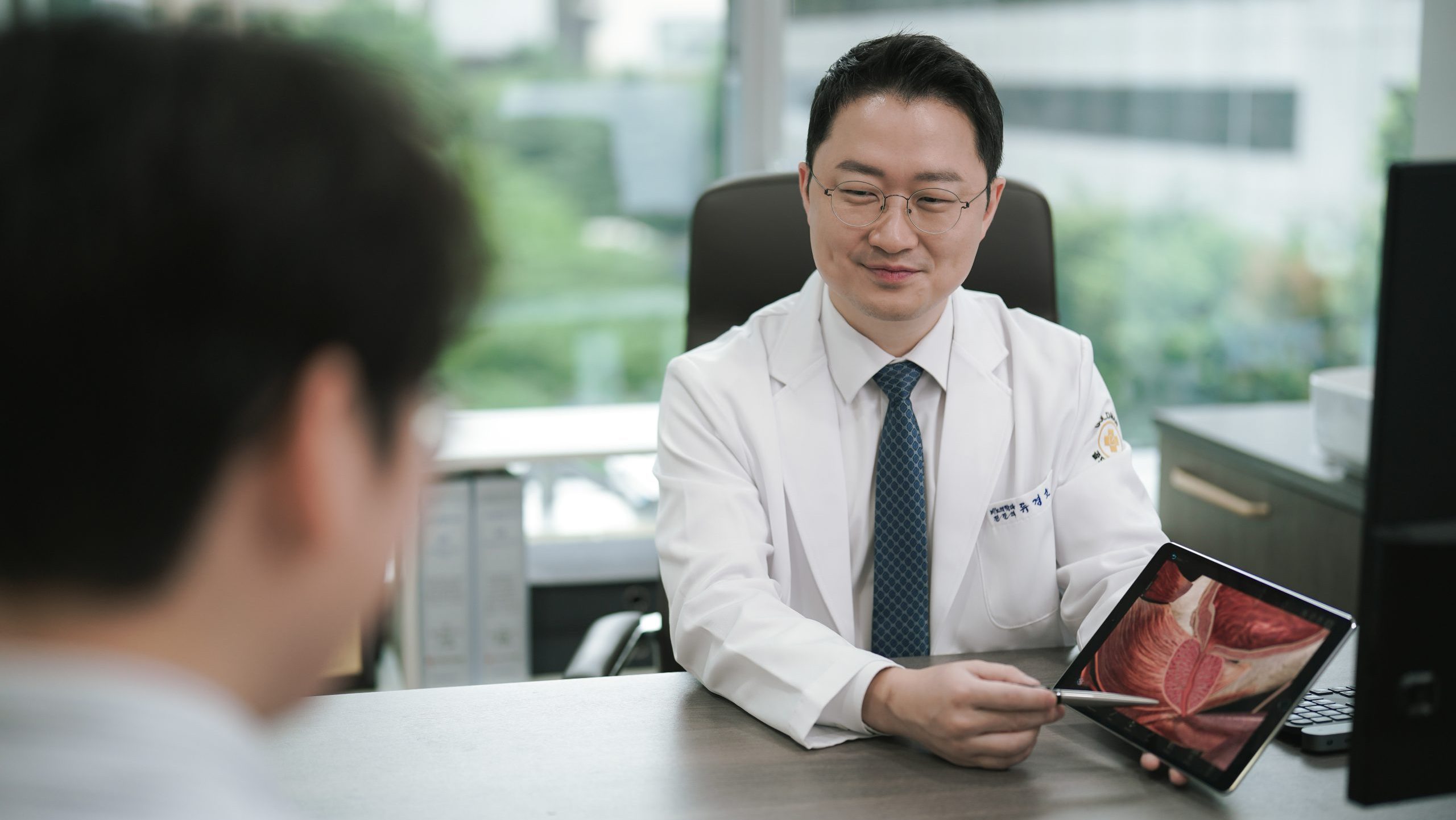
Dr. Gyeongho Ryu from Goldman Urology stated, “When treating urinary stones, immediate pain relief is only the first step. To prevent recurrence and kidney damage, clinicians must analyze stone size, density, and location using advanced AI diagnostics like Eurodot AI. Based on these precise metrics, we select the most tissue-sparing surgical modality, such as robotic stone surgery or pelvic caudal anesthesia-assisted endoscopy. Our goal is to provide same-day discharge so patients can return to their daily lives without delay.”
To find more information or schedule an evaluation, please visit the [Goldman Urology Website]