
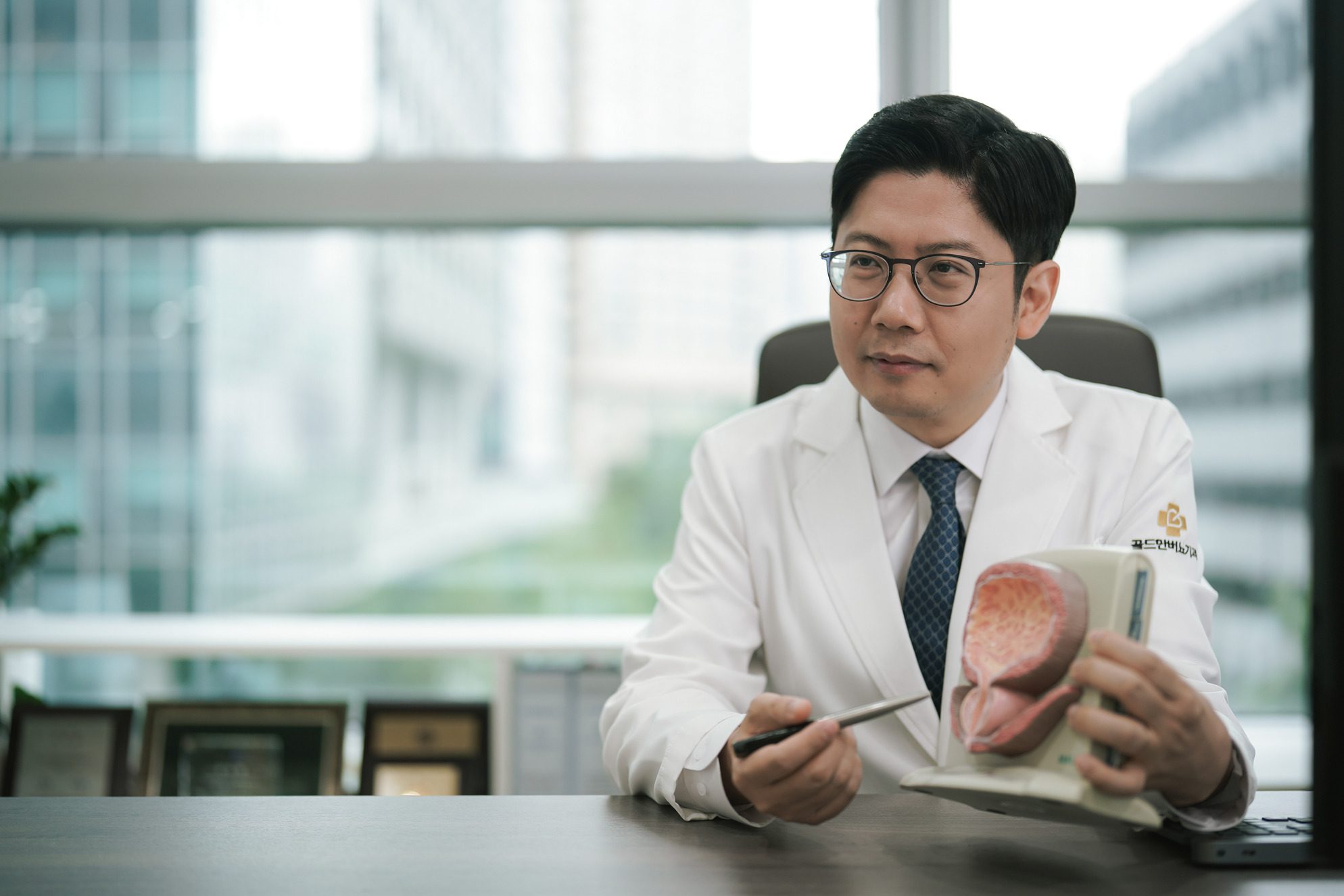
Circumcision remains one of the most common urological minor surgical procedures performed worldwide, yet choosing where to undergo the procedure requires careful clinical evaluation. For patients seeking a circumcision clinic in Incheon—particularly in major medical hubs like Guwol-dong—selecting an institution with specialized urological expertise, advanced pain-management protocols, and sterile surgical facilities is essential for optimal wound healing and minimizing postoperative complications.
This guide outlines the medical indications for circumcision, compares modern surgical methodologies, details recovery expectations, and highlights key criteria for evaluating clinics in the Incheon region.
Clinical Indications: When Is Circumcision Medically Necessary?
While circumcision is often viewed through a cultural or personal preference lens, several definitive medical conditions necessitate clinical evaluation and potential surgical intervention.
Primary Indications for Circumcision
- Pathological Phimosis: Inability to retract the foreskin behind the glans penis due to fibrotic scarring or hyper-tight preputial tissue, which can lead to painful erections, urinary obstruction, and severe hygiene issues.
- Paraphimosis: A medical emergency where a retracted tight foreskin becomes trapped behind the coronal sulcus, obstructing venous and lymphatic drainage and leading to progressive glans ischemia.
- Recurrent Balanoposthitis: Chronic or repeated bacterial or fungal inflammation affecting both the glans and the inner foreskin layer, frequently resistant to conservative topical antimicrobial therapy.
- Recurrent Urinary Tract Infections (UTIs): In patients with anatomical predispositions or recurrent lower urinary tract bacterial colonization, removal of the foreskin significantly reduces bacterial load.
- Condyloma and Preputial Lesions: Extensive foreskin lesions or human papillomavirus (HPV) warts that cannot be adequately cleared without excision of affected preputial tissue.
When Circumcision Should Be Delayed or Avoided
- Congenital Penile Anomalies: Conditions such as hypospadias, epispadias, or chordee require the preputial tissue to be preserved for future reconstructive surgery.
- Acute Severe Active Infection: Surgical intervention should generally be postponed until acute purulent inflammation is controlled with targeted antibiotics or antifungals.
- Uncontrolled Bleeding Disorders: Patients with uncorrected coagulopathies or those on active unmanaged anticoagulation therapy require hematological stabilization prior to surgery.
Comparing Modern Surgical Techniques
Modern urological surgery emphasizes tissue preservation, minimal hemorrhage, precise scar line alignment, and rapid healing. Unlike outdated conventional procedures that involved bulk tissue resection, contemporary techniques utilize meticulous dissecting strategies.
1. Sleeve Circumcision (Tissue-Preserving Method)
- Mechanism: Precise superficial incisions are made only through the skin layers, preserving the underlying subcutaneous vascular supply, dartos muscle fascia, and lymphatic channel system.
- Clinical Advantages: Markedly reduces postoperative hematoma formation, minimizes edema (swelling), speeds up recovery, and preserves anatomical vascularity.
- Ideal Candidates: Adults and adolescents seeking a natural aesthetic outcome with minimal postoperative swelling.
2. Laser-Assisted Circumcision
- Mechanism: High-precision laser energy is utilized instead of traditional scalpels to dissect the foreskin layers while simultaneously sealing small mucosal capillaries.
- Clinical Advantages: Minimal intraoperative blood loss, precise incision lines, and reduced localized surgical trauma.
- Ideal Candidates: Patients concerned about blood loss or requiring enhanced procedural precision.
3. Conventional Excision
- Mechanism: Full-thickness excision of the preputial fold using standard surgical scalpel or surgical scissors, followed by primary suture closure.
- Clinical Advantages: Straightforward execution, widely available.
- Clinical Considerations: Higher potential for thermal or mechanical tissue edema compared to sleeve or laser methods.
Critical Factors for Choosing a Circumcision Clinic in Incheon
When evaluating urological clinics in Incheon (such as those located around the Guwol-dong medical district), patients should look beyond proximity and consider system-level clinical capabilities.
Key Evaluation Criteria
- Board-Certified Urological Expertise: Surgery involving penile microarchitecture demands specialized anatomical knowledge to prevent excess skin removal, asymmetrical scar formation, or injury to the frenulum.
- Advanced Regional Pain Management Protocols: Specialized centers employ targeted pelvic block anesthesia or caudal/nerve block techniques rather than simple local infiltration, allowing for pain-free procedures and smooth post-anesthetic recovery.
- Sterile Surgical Infrastructure and Equipment: High-volume urological facilities—such as the Goldman Urology Incheon Branch—are equipped with dedicated sterile operating rooms, uninterruptible power supplies (UPS), digital ultrasound diagnostic suites, and specialized high-precision electrocautery/laser systems.
- Standardized 1-Day Care System: Efficient clinical pathways that combine pre-operative anatomical consultation, procedure, post-surgical recovery monitoring, and same-day discharge minimize patient disruption and time off work.
- Rigorous Infection Control: Use of single-use sterile specimen kits, strict surgical field sterilization protocols, and comprehensive follow-up care guidelines.
Postoperative Recovery Timeline and Red Flags
Understanding the normal post-surgical course helps patients differentiate expected healing responses from potential complications.
Recovery Phases
- Days 1 to 3 (Immediate Recovery): Mild localized edema and minor dressing staining are normal. Ice therapy and prescribed oral analgesics/antibiotics are maintained. Gauze dressings are managed according to clinical guidelines.
- Week 1 to 2 (Tissue Stabilization): Acute surgical swelling subsides. Dissolvable sutures begin to soften or break down. Light office work and routine daily activities can typically be resumed.
- Weeks 3 to 4 (Wound Remodeling): Incision line strengthens and skin edge approximation completes. Suture remnants clear completely.
- Week 4 to 6 (Full Functional Recovery): Vigorous physical exercise, sports, heavy lifting, and sexual activity may be safely resumed after clinical confirmation.
Postoperative Red Flags Requiring Immediate Medical Review
- Uncontrolled Bleeding: Active, bright red blood soaking through surgical dressings continuously.
- Systemic Signs of Infection: Spiking body temperature above 38.0°C (100.4°F) accompanied by chills.
- Severe Progressive Edema or Discoloration: Rapidly worsening dark discoloration or extreme tension swelling around the penile shaft.
- Urinary Retention: Inability to void urine for more than 8 to 12 hours post-procedure despite bladder fullness.
Expert Clinical Commentary
Clinical Comment from Dr. Changgi Lee at Goldman Urology Clinic
“Circumcision is far more than a routine minor skin procedure; it is a delicate anatomical operation that directly impacts functional comfort and lifelong hygiene. A successful clinical outcome relies on precise skin length calculation to prevent tension during erection, preservation of dartos tissue layers, and absolute aseptic technique.
High-volume urological centers equipped with university-hospital-grade infrastructure—such as Goldman Urology’s regional branches including our Incheon Guwol-dong location—utilize advanced pelvic nerve anesthesia and standardized sleeve circumcision protocols. Drawing upon over 25 years of specialized urological clinical experience and more than 2 million cumulative patient care records across our network since 2002, our commitment is to provide precise, minimally painful, and safe 1-day surgical care tailored to each patient’s individual anatomy.”
For further clinical information and appointment consultations, visit Goldman Urology Clinic: http://gold-man.com/en