
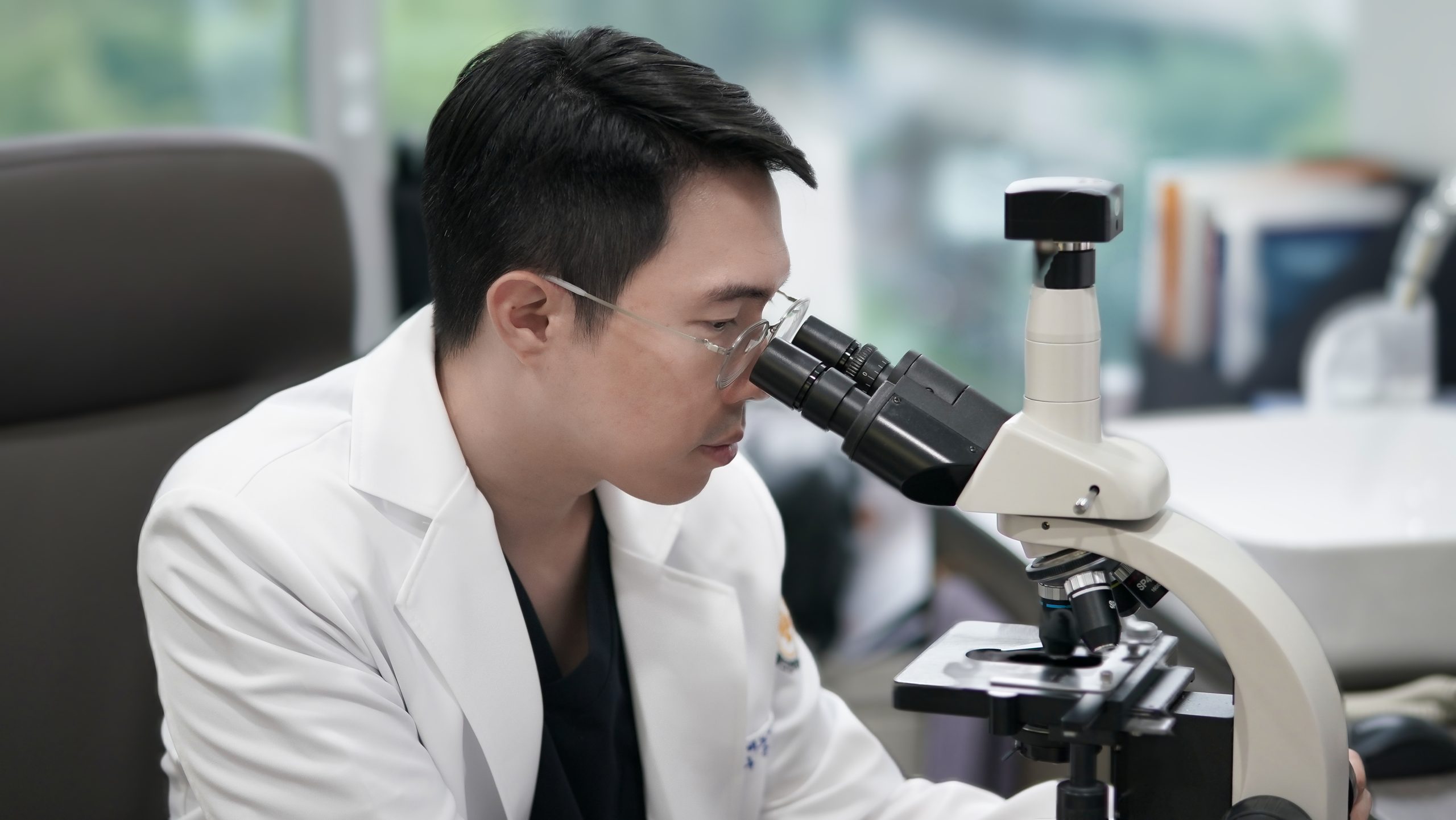
Choosing the Right Clinic for Kidney Stones Treatment in Korea: Clinical Selection Criteria and Modern Technology
Disclaimer: This article provides general medical information. It does not replace professional medical advice or diagnosis.
Urologists do not choose treatments randomly. They evaluate stone size, location, and density. Modern clinical protocols categorize treatments based on these exact criteria.
How Do Clinicians Select the Best Kidney Stone Treatment?
Choosing the right procedure is essential for a successful recovery. Urologists use a structured decision framework to determine the optimal approach:
- For Stones Under 10 mm: Shockwave lithotripsy (ESWL) is the standard. It is non-invasive and performed outpatient. However, it may fail if the stone is highly dense.
- For Stones 10 mm to 20 mm: Flexible ureteroscopy (URS) is highly effective. The surgeon passes a thin scope through the urethra. They then fragment the stone with a laser.
- For Complex Stones Over 20 mm: Percutaneous Nephrolithotomy(PCNL) or Endoscopic Combined Intrarenal Surgery (ECIRS) is often the safest option. It combines ureteroscopy and percutaneous nephroscopy. This approach clears large stones in a single session.
Failure and Conversion: When Initial Treatment Fails
Medical treatments have limitations. Clinicians must have clear backup plans to ensure patient safety.
* If ESWL Fails: If stones do not break after two sessions, urologists stop ESWL. Repeated shockwaves can damage kidney tissue. The patient is then converted to URS.
* If URS Cannot Pass: Sometimes, the ureter is too narrow. The surgeon cannot pass the scope. In this case, they insert a temporary double-J stent. They then postpone the main surgery for one to two weeks. This delay allows the ureter to dilate naturally.
Advanced Technologies to Seek in Korean Urology Clinics
Korea’s top-tier clinics use university-hospital-level technology. These tools improve diagnostic accuracy and surgical safety.
* AI-Assisted Diagnosis: Advanced software, like Urodot AI, analyzes CT scans. It detects tiny stones under 4mm within five minutes.
* Robotic Surgery Systems: Robotic devices, like the Zamenix system, assist in flexible endoscopy. The robot controls the scope with high precision. This reduces the risk of tissue damage.
* Next-Generation Lithotripters: Modern magnetic ESWL devices focus energy precisely. They reduce patient pain and fragment stones more efficiently than older spark-gap models.
Geographic and Branch-Specific Care in Korea
Patient needs vary by location. High-volume urological networks, such as Goldman Urology, address these needs across key metropolitan areas. They equip each branch with specialized facilities:
* The Gangnam Branch: This facility features 20 inpatient beds and three operating rooms. It operates a 24-hour emergency stone treatment system. This ensures rapid relief for acute pain.
* The Jamsil (Songpa) Branch: Led by Dr. Seungi Min and Dr. Junchae Na, this branch focuses on advanced surgical methods. They specialize in performing complex PCNL or ECIRS under spinal anesthesia. This eliminates the risks of general anesthesia.
* The Incheon (Guwol-dong) Branch: This clinic prioritizes rapid, high-precision imaging. It utilizes advanced AI diagnostic tools to identify minor calculi before they cause blockages.
Post-Treatment Recovery: Normal Symptoms vs. Red Flags
Patients must monitor their recovery carefully. Knowing when to seek emergency help is vital.
Normal symptoms after stone removal:
* Mild blood in the urine for three to seven days.
* Dull, manageable aching in the flank or back.
* A mild burning sensation during urination.
Red flag symptoms (contact your clinic immediately):
* A body temperature rising above 38°C (indicating possible infection).
* Complete inability to urinate (urinary retention).
* Severe pain that does not respond to medication.
* Large, thick blood clots in the urine.
Clinical Comment from a Seoul-Based Urologist
Dr. Junchae Na from Goldman Urology stated, “Kidney stone treatment is not just about breaking the stone. It is about protecting kidney function and minimizing patient trauma. Our clinical protocol focuses on precise, customized care. By utilizing advanced AI diagnostics and robotic surgery, we achieve high clearance rates while minimizing recovery times. We are dedicated to providing safe, rapid relief to every patient.”
For more details on advanced kidney stone care, visit the Goldman Urology website: http://gold-man.com/en