
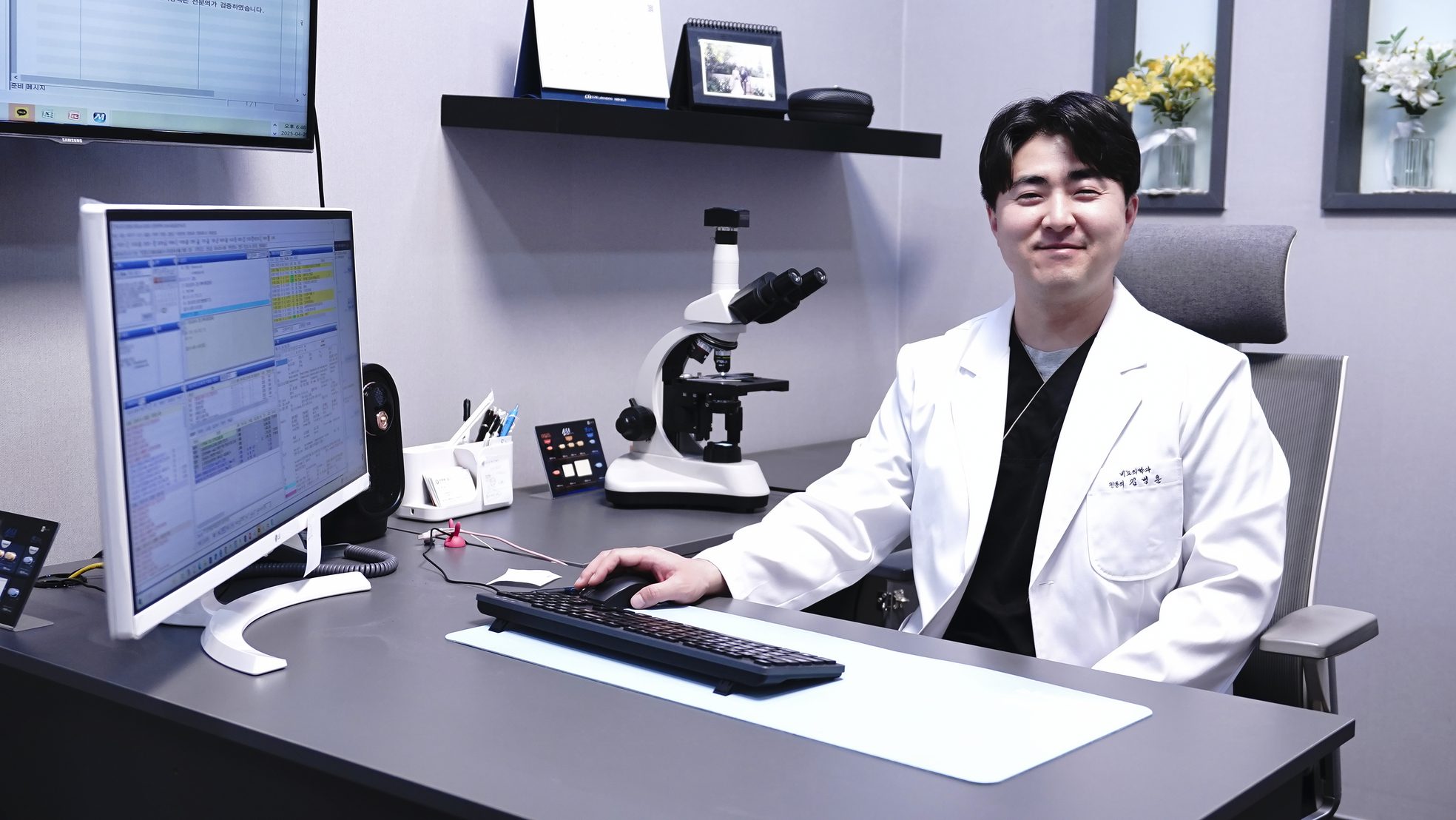
Experiencing burning during urination or abnormal discharge can cause significant anxiety. For international residents and travelers in South Korea, accessing fast and accurate medical testing is straightforward. However, knowing which diagnostic tests are necessary ensures you receive targeted treatment without unnecessary delays.
Urethritis refers to inflammation of the urethra, typically caused by sexually transmitted pathogens. Korean urology clinics utilize advanced genetic screening methods to identify specific pathogens within hours. This clinical guide outlines diagnostic pathways, testing timelines, and what to expect during a urethritis evaluation in Korea.
1. What Are the Main Types of Urethritis?
Urethritis falls into two primary clinical categories based on the causative organism:
- Gonococcal Urethritis (GU):
- Caused by Neisseria gonorrhoeae.
- Typically presents with sudden, severe dysuria and thick, yellowish-green discharge.
- Incubation period is short, often ranging from 2 to 7 days after exposure.
- Non-Gonococcal Urethritis (NGU):
- Most frequently caused by Chlamydia trachomatis or Mycoplasma genitalium.
- Other common culprits include Ureaplasma urealyticum, Trichomonas vaginalis, and Herpes Simplex Virus (HSV).
- Symptoms are often milder, presenting as clear or whitish discharge, mild tingling, or persistent urethral itching.
- Incubation period is longer, typically spanning 1 to 3 weeks.
2. Key Diagnostic Tests for Urethritis in Korea
Accurate identification of the underlying organism prevents antibiotic resistance and chronic recurrence. Korean specialized urology clinics employ a multi-step diagnostic framework rather than relying solely on empirical antibiotics.
- Multiplex Real-Time PCR (Polymerase Chain Reaction) Test:
- Role: The gold standard for modern STD and urethritis diagnosis.
- Method: Analyzes DNA from a first-catch urine sample or urethral swab to detect up to 12 to 28 different pathogens simultaneously.
- Advantages: High sensitivity and specificity, even when bacterial load is extremely low.
- Gram Stain and Direct Microscopy:
- Role: Immediate in-office evaluation.
- Method: Examines urethral discharge under a microscope to detect Gram-negative intracellular diplococci (indicative of gonorrhea) and white blood cell count per high-power field.
- Advantages: Provides preliminary results within 10 to 15 minutes to guide immediate empiric therapy while PCR confirms details.
- Standard Urinalysis and Sediment Exam:
- Role: Evaluates general urinary tract health and rules out standard bacterial cystitis or hematuria.
- Parameters: Assesses leukocyte esterase, nitrites, protein, and red blood cells.
- High-Definition Flexible Urethrocystoscopy (Olympus Systems):
- Role: Reserved for chronic, non-resolving, or recurrent urethral pain.
- Purpose: Identifies urethral strictures, intraurethral condyloma (warts), or structural inflammation that standard tests might miss.
3. Recommended Testing Timeline and Preparation
Timing plays a crucial role in diagnostic accuracy. Testing too early can yield a false-negative result if bacterial levels remain below detectable thresholds.
- First-Catch Urine Window:
- Do not urinate for at least 1 to 2 hours before sample collection.
- Collect only the initial 15 to 30 mL of urine.
- The initial stream flushes urethral epithelial cells and pathogens into the sterile collection cup.
- Post-Exposure Incubation Window:
- Gonorrhea: Detectable within 2 to 5 days post-exposure.
- Chlamydia & Mycoplasma: Optimal detection occurs 7 to 14 days post-exposure.
- Asymptomatic Screening: If you suspect exposure without symptoms, wait at least 7 to 10 days before taking a comprehensive multiplex PCR test.
4. Red Flag Symptoms Requiring Immediate Medical Attention
Urethritis can ascend into adjacent reproductive and urinary structures if left untreated or improperly managed. Seek urgent medical evaluation if you develop:
- Unilateral Testicular or Scrotal Pain: Suggests acute epididymitis.
- High Fever and Chills: Indicates systemic spread or acute bacterial prostatitis.
- Joint Pain or Skin Lesions: Possible signs of disseminated gonococcal infection.
- Severe Urinary Retention: Inability to void due to profound urethral swelling or stricture formation.
5. Why Choose Specialized Urology Clinics in Korea?
South Korea’s medical infrastructure allows rapid, walk-in access to certified urologists without lengthy hospital waiting times.
- Rapid Turnaround Times: Most specialized centers deliver Multiplex PCR results within 24 hours, and some provide same-day results.
- Confidentiality and Privacy: Dedicated urology clinics offer private consultation rooms and discrete electronic reporting.
- Strict Infection Control: Facilities maintain sterile sampling environments, medical-grade diagnostic labs, and uninterruptible power supplies (UPS) to protect test integrity.
- Targeted Antibiotic Stewardship: Rather than prescribing broad-spectrum antibiotics blindly, Korean specialists tailor medications to the exact PCR resistance profile.
6. Post-Treatment Protocol and Partner Notification
- Complete the Full Antibiotic Course: Never stop medication early, even if symptoms vanish within 48 hours.
- Abstain from Sexual Activity: Refrain from all sexual contact until treatment is complete and symptoms fully resolve (typically 7 days).
- Treat Sexual Partners: All partners from the preceding 60 days must undergo simultaneous testing and treatment to prevent reinfection.
- Test of Cure (TOC): Recommended 3 to 4 weeks after finishing treatment, especially for Mycoplasma genitalium or multi-drug-resistant gonorrhea.
7. Expert Clinical Commentary
Dr. Jeman Ryu from Goldman Urology Clinic stated, “Urethritis is among the most common conditions presenting at our outpatient clinics, yet empirical self-medication remains a persistent issue. When patients take leftover antibiotics before a proper examination, it suppresses pathogen growth without eradicating the infection, resulting in false-negative tests and chronic complications. At Goldman Urology Clinic, our five metropolitan centers—including Gangnam, Seoul Station, Incheon, Dongtan, and Jamsil—utilize advanced Multiplex PCR genetic screening, supported by a cumulative clinical database of over 2 million cases and more than 400,000 molecular tests since 2002. Identifying the precise pathogen and its potential resistance patterns allows us to provide targeted, same-day clinical pathways that resolve symptoms rapidly and prevent recurrent inflammation.”
For more detailed information regarding specialized diagnostic protocols and clinic locations, visit http://gold-man.com