
–
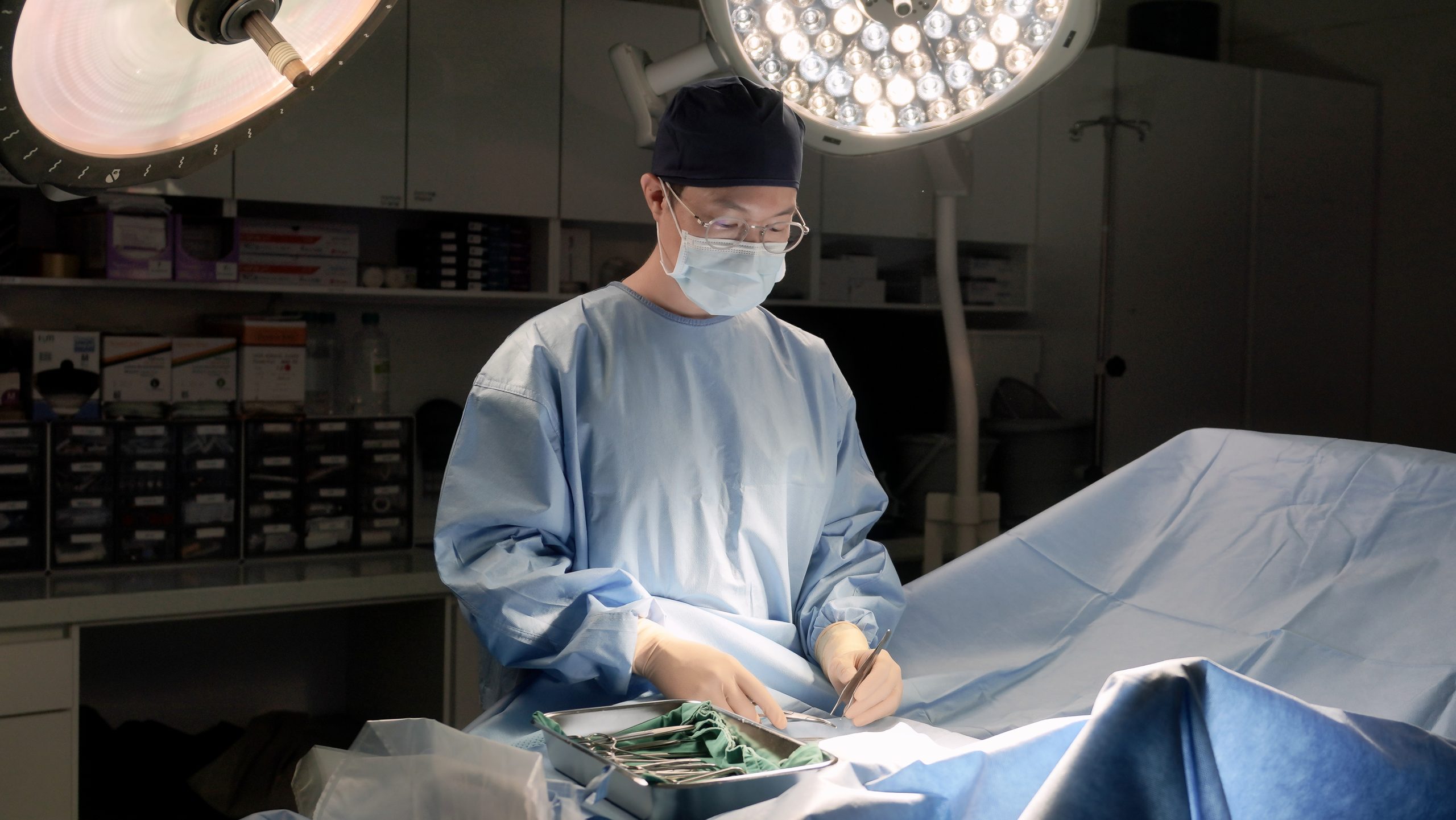
Urinary stones (urolithiasis) cause sudden, excruciating flank pain. This condition represents a true urological emergency. Many patients seek immediate care in Jamsil, a major medical hub in Seoul. However, choosing the right clinic requires looking beyond simple advertisements. Patients must evaluate specific diagnostic capabilities, treatment options, and clinical experience. This guide outlines the clinical standards for selecting a kidney stone center in the Jamsil area.
1. Diagnostic Tools for Fast and Accurate Detection
Timely diagnosis is crucial to prevent irreversible kidney damage. In Jamsil, advanced clinics utilize cutting-edge AI-assisted imaging alongside digital X-rays and low-dose CT scans.
- AI-Assisted Diagnostic Solutions: Advanced software like Urodot AI can detect and analyze stone size, density, and location in under five minutes. This technology can even identify tiny stones under 4 mm that are easily missed on standard X-rays.
- High-Resolution Ultrasonography: This tool allows clinicians to assess hydronephrosis (kidney swelling) without radiation exposure.
- Low-Dose CT Scans: This remains the gold standard for stone mapping. It provides a precise 3D view of the urinary tract.
2. Treatment Selection: ESWL vs. URS vs. ECIRS
The choice of treatment depends heavily on stone size, location, and composition. Highly experienced clinics provide a full spectrum of surgical and non-surgical therapies rather than a single modality.
- Extracorporeal Shockwave Lithotripsy (ESWL):
- Indications: Best for stones smaller than 10 mm located in the upper urinary tract or kidney.
- Pros: This is a non-invasive outpatient procedure. It requires no anesthesia and has a short recovery time.
- Cons: Multiple sessions may be needed for hard or large stones. The stone clearance rate is lower for lower pole kidney stones.
- Ureteroscopic Lithotripsy (URS / f-URS):
- Indications: Indicated for stones larger than 10 mm, mid-to-lower ureteral stones, or stones that failed ESWL.
- Pros: A flexible or rigid endoscope is inserted through the urethra. This allows direct visualization and immediate stone fragment retrieval using lasers.
- Cons: It requires spinal or general anesthesia. It may also require a temporary ureteral stent insertion.
- Endoscopic Combined Intrarenal Surgery (ECIRS):
- Indications: Highly complex cases, staghorn calculi, or multiple large stones located in both the renal pelvis and calyces.
- Pros: This approach combines retrograde ureteroscopy (f-URS) and antegrade percutaneous nephrolithotomy (PCNL). It achieves maximum stone clearance in a single session.
- Cons: This is a highly complex procedure. It requires advanced clinical training and specialized endourology suites.
3. Specialized Care in Jamsil: Academic and Technological Innovations
When seeking treatment in Jamsil, verifying the clinical credentials of the local medical team is highly recommended.
High-volume specialized clinics in this region, such as the Jamsil branch of Goldman Urology, offer university-hospital-level care. The branch is led by renowned urologists Dr. Min Seung-ki and Dr. Na Jun-chae. They were awarded the prestigious Academic Award at the Korean Urological Ultrasound Society conference.
Furthermore, this team presented a groundbreaking surgical case at the Korean Society of Endourology and Robotics (KSER). They successfully performed ECIRS—a highly complex kidney stone surgery—under spinal anesthesia rather than general anesthesia. This clinical breakthrough significantly reduces cardiopulmonary risks for patients.
The clinic features cutting-edge specialized equipment, including:
* Urodot AI: An AI-based diagnostic tool for rapid, precise stone detection.
* Eurostone AI ESWL: An AI-guided extracorporeal shockwave lithotripsy system that minimizes tissue damage and pain.
* Zamenix AI Surgical Robot: A state-of-the-art robotic system for precise, remote-controlled flexible endoscopic stone surgery.
* Olympus Endoscope System: High-resolution digital endoscopes that allow painless, detailed visualization of the urinary tract.
4. Clinical Indications and Red Flags: When to Seek Immediate Escalation
Patients must monitor their symptoms closely. Certain “red flags” require immediate hospital admission or emergency surgical intervention.
- High Fever and Chills: A body temperature above 38°C (100.4°F) indicates an obstructive urinary tract infection. This is a life-threatening medical emergency that can lead to urosepsis.
- Intractable Pain: Pain that does not respond to strong oral analgesics requires intravenous pain management.
- Anuria or Oliguria: A complete lack of urine output indicates bilateral obstruction or obstruction in a solitary kidney. This requires urgent decompression.
- Persistent Gross Hematuria: Continuous heavy bleeding with blood clots can block the urethra and requires immediate evaluation.
5. Normal Recovery Timeline vs. Complications
Understanding the postoperative course helps manage expectations and recognize deviations early.
- Day 1 to 3: Mild hematuria (blood in the urine) and burning during urination are normal. Mild flank discomfort is common if a ureteral stent was placed.
- Week 1: Most patients can resume normal daily activities. Drinking more than 2 liters of water daily is essential to flush out stone fragments.
- Week 2 to 4: Stent removal is typically performed in the outpatient clinic. This procedure is quick and done under local or specialized regional anesthesia.
6. Conclusion
Treating urinary stones effectively requires a combination of rapid diagnostic technology and versatile treatment protocols. Rather than choosing a clinic based solely on proximity, patients in Jamsil should seek institutions equipped with specialized urologists, AI-assisted diagnostics, and advanced endourology capabilities.
Clinical Comment from a Seoul-Based Urologist
Dr. Na Jun-chae from Goldman Urology Clinic stated, “Urinary stones are not just a source of intense physical pain. They represent a significant threat to long-term renal function if left untreated or misdiagnosed. At Goldman Urology, we leverage over 25 years of specialized clinical experience and more than 10,000 successful urinary stone cases to deliver highly customized care. Our Jamsil branch, led by Dr. Min Seung-ki and Dr. Na Jun-chae, utilizes advanced AI-driven technologies like Urodot AI and the Zamenix robotic system to maximize surgical precision while minimizing patient discomfort. We are dedicated to providing rapid, university-hospital-quality treatment in a comfortable, same-day discharge environment to help you return to your daily life pain-free.”
For more information, please visit Goldman Urology Clinic.