
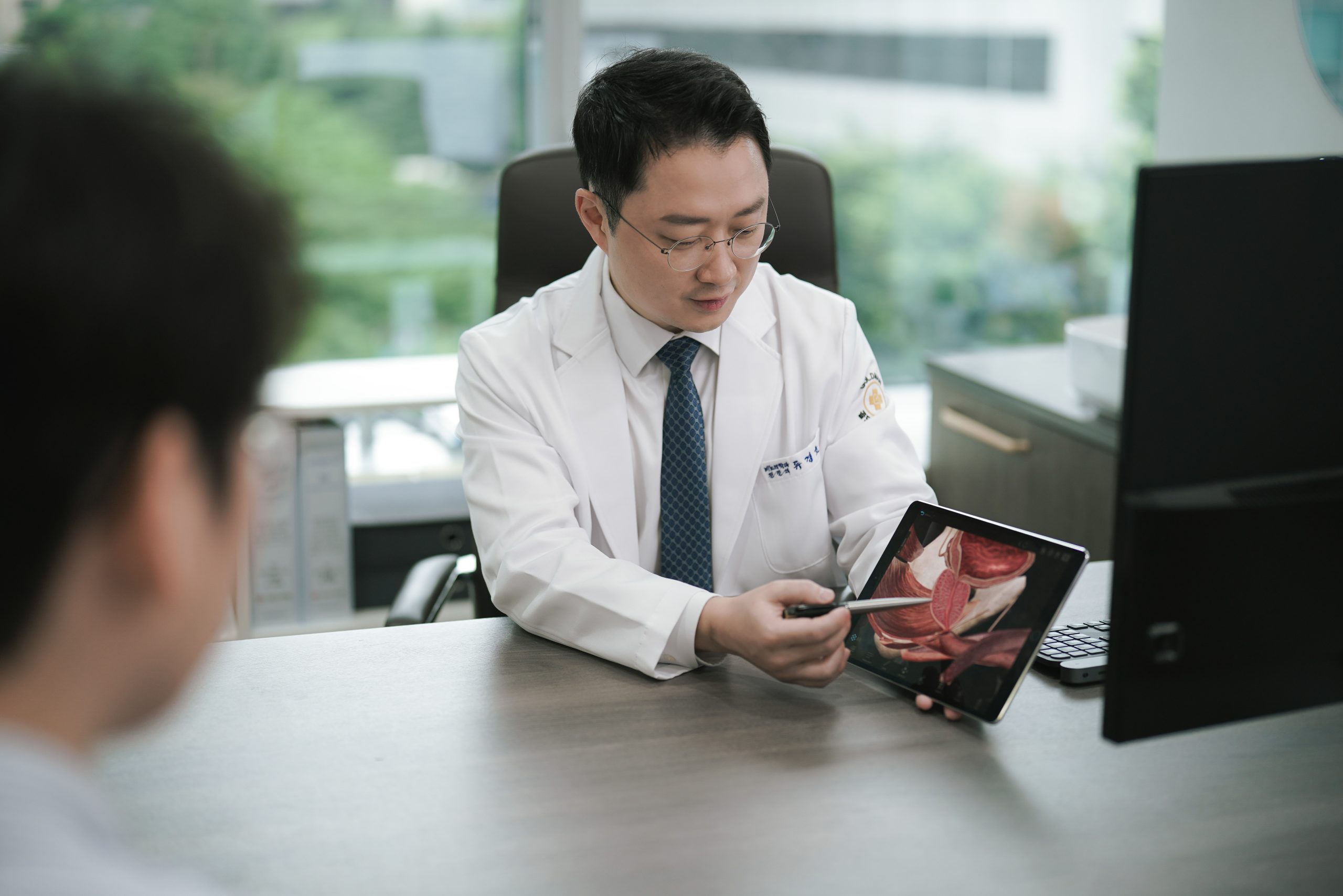
A vasectomy reversal is a delicate microsurgical procedure designed to restore male fertility. Many men reconsider their reproductive plans due to remarriage, family planning changes, or personal preference. South Korea has become a prime destination for specialized microsurgery due to its advanced surgical technology, high procedural volume, and transparent pricing.
Understanding the financial investment and clinical nuances is essential before booking your travel. This guide details the expected costs, clinical decision factors, procedural comparisons, and recovery expectations for vasectomy reversals in Korea.
Estimated Cost of Vasectomy Reversal in Korea
The cost of vasectomy reversal in Korea is significantly lower than in North America or Western Europe. In Western clinics, out-of-pocket costs often exceed $10,000 to $15,000 USD. In contrast, specialized Korean urology centers deliver university-grade microsurgical care at a fraction of that price.
The standard out-of-pocket costs for international self-pay patients typically follow this range:
- Initial Diagnostic Assessment:
- Specialist consultation fee: Approx. ₩27,000 (~$20 USD)
- High-resolution scrotal Doppler ultrasound: Approx. ₩113,000 (~$84 USD)
- Routine preoperative blood and urinalysis: Approx. ₩50,000 to ₩100,000 (~$37 to $74 USD)
- Microsurgical Vasectomy Reversal Surgery:
- Standard microsurgical vasovasostomy (bilateral): Approx. ₩5,000,000 (~$3,704 USD)
- Complex microsurgical reconstruction (unilateral or bilateral vasoepididymostomy): Approx. ₩5,500,000 to ₩7,000,000 (~$4,074 to $5,185 USD)
- Postoperative Medications and Care:
- Antibiotics, analgesics, and scrotal support garments: Approx. ₩30,000 to ₩50,000 (~$22 to $37 USD)
- Postoperative semen analysis (performed at 6 to 12 weeks): Approx. ₩30,000 to ₩50,000 (~$22 to $37 USD)
Clinical Disclaimer: These cost estimates reflect typical institutional rates across leading private urological centers in the Seoul metropolitan area. Actual fees may vary depending on patient-specific anatomy, surgical complexity, the need for epididymal bypass, and individual anesthesia requirements.
Surgical Determinants of Cost and Technique
A vasectomy reversal is not a one-size-fits-all procedure. The primary surgeon determines the specific technique during intraoperative fluid analysis. This directly impacts surgical duration, microscope utilization, and final procedural fees.
- Vasovasostomy (VV):
- The surgeon reconnects the severed ends of the vas deferens.
- This method is selected when milky, sperm-containing fluid expresses from the testicular end of the vas.
- It requires a multi-layer microsurgical suture with 9-0 and 10-0 nylon threads.
- The procedure is technically direct and falls within standard price brackets.
- Vasoepididymostomy (VE):
- The surgeon connects the abdominal end of the vas deferens directly to the microscopic tubules of the epididymis.
- This technique becomes necessary when secondary epididymal blockages prevent sperm egress.
- It represents one of the most demanding microsurgical operations in urology.
- It demands specialized microsurgical equipment and prolonged operative time, increasing surgical costs.
- The Obstructive Interval Factor:
- Men with an interval under 3 to 8 years usually require a standard vasovasostomy.
- Men with an interval exceeding 10 to 15 years carry a higher likelihood of requiring a vasoepididymostomy.
- Longer obstructive intervals increase internal pressure, causing microscopic blowouts in the epididymis.
Clinical Comparison: Vasectomy Reversal vs. IVF with ICSI
Couples seeking pregnancy after a vasectomy frequently weigh surgical reversal against Surgical Sperm Extraction (TESE/PESA) combined with In Vitro Fertilization and Intracytoplasmic Sperm Injection (IVF/ICSI).
- Vasectomy Reversal (Microsurgery):
- Primary Indication: Men seeking natural conception, especially when the female partner is under 37 years of age.
- Procedural Burden: Single outpatient surgery performed under targeted anesthesia.
- Cost Structure: One-time surgical fee averaging around ₩5,000,000 (~$3,704 USD).
- Subsequent Pregnancies: Allows multiple natural pregnancies over time without further medical interventions.
- Female Burden: Zero medical or hormonal burden on the female partner.
- Surgical Sperm Extraction + IVF/ICSI:
- Primary Indication: Advanced female maternal age (38+ years), coexisting female tubal factors, or poor surgical candidacy.
- Procedural Burden: Repeated ovarian stimulation, transvaginal egg retrieval, and testicular biopsy for the male.
- Cost Structure: Recurring cycle costs ranging from ₩6,000,000 to ₩12,000,000 (~$4,500 to $9,000 USD) per attempt.
- Subsequent Pregnancies: Each child requires a separate cycle of IVF/ICSI.
- Female Burden: High risk of ovarian hyperstimulation syndrome (OHSS) and daily hormonal injections.
Clinical Reality Check: Patency Rates vs. Pregnancy Rates
Patients must distinguish between technical patency and actual clinical pregnancy. Patency refers to the presence of motile sperm in the ejaculate after surgery. Pregnancy depends on multiple concurrent biological variables.
- Patency Rates:
- Vasovasostomy delivers reported patency rates ranging from 85% to 95%.
- Vasoepididymostomy delivers lower patency rates, typically between 60% and 75%.
- Patency rates decline steadily as the obstructive interval stretches beyond 15 years.
- Pregnancy Rates:
- Natural pregnancy rates across published literature range between 40% and 70% within two years.
- Female age remains the single most critical factor in achieving clinical pregnancy.
- Even with 90% patency, natural pregnancy rates drop if the female partner has low ovarian reserve.
- Red Flags and Failure Scenarios:
- Stricture recurrence: Late re-obstruction occurs in roughly 3% to 10% of cases due to anastomotic scarring.
- Antisperm antibodies: Long-term vas obstruction triggers immune reactions that can impair sperm motility.
- Immediate surgical risks: Scrotal hematoma and wound infection occur in fewer than 2% of specialized microsurgical cases.
Recovery Protocol and Travel Timeline
Leading specialized clinics in Korea utilize specialized caudal or targeted pelvic anesthesia. This approach avoids the systemic risks and prolonged recovery of general or spinal anesthesia.
- Day of Surgery:
- The operation lasts 2 to 3 hours under high-power optical magnification.
- Patients rest in recovery for 1 to 2 hours post-procedure.
- Same-day discharge is standard, allowing patients to walk back to their hotel comfortably.
- Days 1 to 3:
- Mild scrotal edema and minor discomfort are normal.
- Ice packs and scrotal suspension briefs control swelling.
- Oral antibiotics and non-steroidal anti-inflammatory drugs are taken as prescribed.
- Days 4 to 7 (Flight Clearance):
- International patients typically attend a follow-up wound inspection on day 3 or 4.
- Light walking is encouraged to prevent venous complications.
- Return flights are medically cleared after 5 to 7 days.
- Weeks 2 to 6:
- Avoid heavy lifting, vigorous cardiovascular exercise, and manual labor.
- Strictly refrain from sexual intercourse and ejaculation for 4 full weeks to protect the micro-sutures.
- Months 2 to 3:
- Perform the first post-op semen analysis at 8 to 12 weeks to document sperm count and progressive motility.
Expert Commentary from Goldman Urologic Clinic
Dr. Gyeongho Ryu from Goldman Urologic Clinic stated, “Microsurgical vasectomy reversal requires exceptional surgical precision and tissue handling under the operative microscope. Restoring patency is only part of the equation; preserving anatomical integrity and minimizing surgical trauma are essential for optimizing viable sperm counts. At Goldman, our clinical protocols build on over 25 years of specialized urological care across more than 2 million patient visits since 2002. By employing specialized pelvic anesthesia techniques and university-level diagnostic platforms across our five major centers in Gangnam, Seoul Station, Incheon, Dongtan, and Jamsil, we achieve outstanding micro-reconstruction outcomes while allowing patients to safely recover and return to their daily routines within a same-day discharge framework.”
For further information regarding microsurgical fertility restoration and international consultation procedures, visit the official institutional portal: http://gold-man.com/en
https://www.gold-man.com/male/infertility