
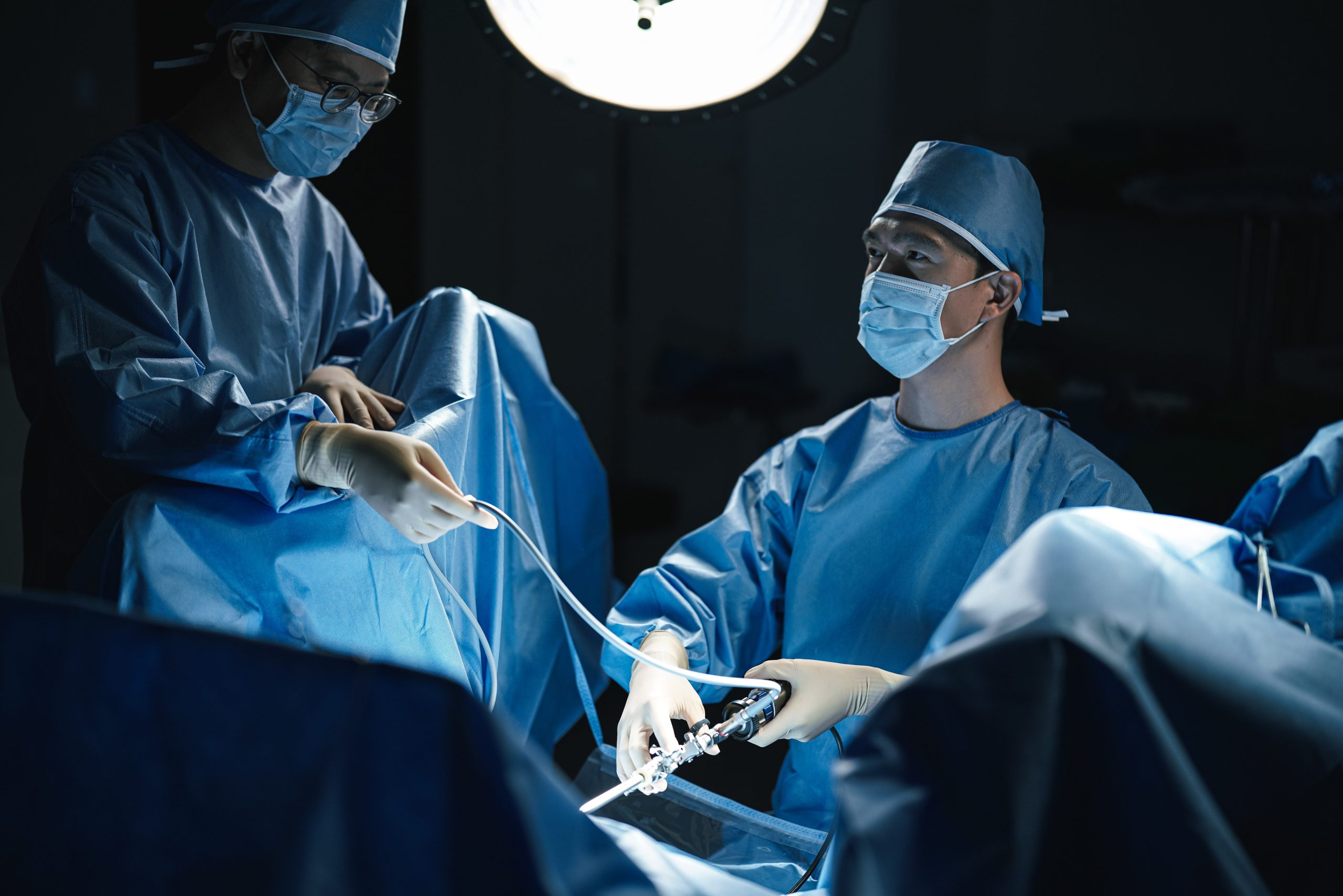
Benign Prostatic Hyperplasia (BPH) is a progressive condition affecting more than half of men over 50. While pharmaceutical therapy is often the first line of intervention, long-term adherence frequently drops due to systemic side effects like postural hypotension, chronic fatigue, and sexual dysfunction. Conversely, traditional surgical techniques—such as Transurethral Resection of the Prostate (TURP)—entail significant tissue ablation, post-operative catheterization, and a substantial rate of retrograde ejaculation.
For international patients and expatriates seeking treatment in South Korea, the introduction of the iTind (Temporarily Implanted Nitinol Device) procedure represents a paradigm shift. Designed as a minimally invasive, non-thermal, and non-permanent solution, iTind reshapes the prostatic urethra without burning, cutting, or permanently anchoring foreign hardware inside the body.
Seoul’s specialized urological centers have rapidly integrated iTind alongside full-spectrum surgical options, offering precision evaluation protocols and same-day procedural workflows. This guide covers how iTind functions, clinical eligibility criteria, recovery realities, cost expectations, and how it compares with other advanced BPH modalities in Seoul.
1. Biomechanical Mechanism: How iTind Reshapes the Prostatic Urethra
Unlike thermal vaporization (Rezūm) or laser enucleation (HoLEP), iTind is an entirely mechanical, non-tissue-ablative device manufactured from nitinol (a nickel-titanium shape-memory alloy).
The procedure operates in two discrete stages:
- Placement Phase: The compact, folded device is introduced into the prostatic urethra under light sedation or specialized pelvic caudal anesthesia using a high-definition flexible cystoscope. Once correctly positioned at the bladder neck, the deployment sheath is withdrawn, allowing the device to expand into a three-strut triangular configuration.
- Ischemic Remodeling Phase (Days 1–7): Over a 5-to-7-day period, the expanded struts exert continuous, gentle radial pressure against the obstructive prostate tissue. This controlled tension induces local ischemia at the 12, 5, and 7 o’clock positions, forming three distinct longitudinal grooves.
- Retrieval Phase: On day 5 to 7, the urologist retrieves the device via flexible cystoscopy using an integrated retrieval suture or snare. The newly carved clefts remain permanently remodeled, allowing unobstructed urinary flow through the prostatic channel.
Because no tissue is burned or electrocauterized, adjacent nerve complexes controlling erection and the internal bladder sphincter governing antegrade ejaculation remain untouched.
2. Clinical Indications: Who Is the Ideal Candidate?
iTind is not an indiscriminate replacement for open or laser prostatectomy; its efficacy relies heavily on strict patient selection criteria.
- Prostate Volume: Best suited for small-to-moderate glands, typically measuring between 25 cc and 60 cc.
- Anatomical Configuration: Patients with pure lateral lobe enlargement or bladder neck sclerosis without prominent intravesical median lobe protrusion.
- Sexual Function Priorities: Sexually active men unwilling to accept the risk of retrograde ejaculation or erectile dysfunction associated with standard resection or laser therapies.
- Medication Intolerance: Individuals experiencing adverse reactions from alpha-blockers (dizziness, nasal congestion) or 5-alpha reductase inhibitors (loss of libido, depression).
- Systemic Health Profile: Patients who cannot undergo extensive general anesthesia or who must avoid surgical bleeding risks due to cardiopulmonary comorbidities.
3. When NOT to Choose iTind: Contraindications and Alternative Pathways
A critical aspect of professional urological care in Seoul is avoiding procedure overuse. iTind should not be performed under the following circumstances:
- Large Prostates (> 60–80 cc): Larger adenomas exceed the mechanical expansion threshold of the nitinol struts. For glands exceeding 70 cc, HoLEP (Holmium Laser Enucleation of the Prostate) or Aquablation remains the gold standard for durable decompression.
- Obstructive Median Lobe (Ball-Valve Mechanism): An enlarged third lobe projecting into the bladder neck cannot be sufficiently opened by three radial clefts. In such anatomies, Rezūm or HoLEP provides superior clearance.
- Severe Chronic Urinary Retention: Men with atonic detrusor muscle failure or post-void residuals exceeding 350–400 mL require direct tissue de-bulking rather than conservative remodeling.
- Active Prostatitis or Urethral Stricture: Prior stricture disease or acute bacterial infections must be eradicated before transurethral deployment.
4. The Patient Journey & The “V-Shaped” Recovery Reality
Prospective patients should understand the post-operative healing trajectory. The recovery is described clinically as a “V-shaped” curve: mild-to-moderate transient discomfort occurs while the device is in place, followed by rapid symptom relief after extraction.
- Deployment Day (Day 1):
- Performed as an outpatient, same-day procedure taking approximately 15 to 25 minutes.
- Patients are discharged within 2 hours following observation under local or caudal pelvic anesthesia.
- A Foley catheter is rarely required, avoiding initial catheter-associated urethral trauma.
- The In-Situ Period (Days 2–5):
- Patients experience foreign-body sensation, mild pelvic heaviness, urinary frequency, and occasional dysuria.
- Light gross hematuria (pink-tinged urine) is expected during initial voids as ischemic clefts develop.
- Normal sedentary daily routines and desk work can resume, but heavy lifting and vigorous exercise are restricted.
- Removal Day (Day 5–7):
- The device is collapsed and extracted transurethrally in an outpatient setting within 5 minutes.
- Immediate relief of pelvic tension is standard.
- Weeks 2–6 Post-Procedure:
- Maximum improvement in peak urinary flow rate (Qmax) and International Prostate Symptom Score (IPSS) is typically documented between weeks 4 and 12.
- Zero permanent hardware remains in the body, eliminating long-term foreign body encrustation risks.
Red Flags Requiring Immediate Escalation
- Inability to void for more than 4 hours (acute urinary retention).
- High-grade fever (> 38.0°C) with pelvic pain, indicating ascending urinary tract infection.
- Passage of thick, dark blood clots obstructing urine flow.
5. Comparative Framework: iTind vs. Other Advanced BPH Treatments
Seoul’s leading surgical centers do not rely on a single modality. Instead, therapies are tailored across clinical parameters:
- iTind
- Mechanism: Non-thermal, mechanical expansion creating ischemic clefts via a temporary nitinol scaffold.
- Tissue Resection: None (remodeling only).
- Hardware Status: 100% removed after 5–7 days.
- Retrograde Ejaculation Risk: 0%.
- Ideal Gland Size: 25 cc to 60 cc.
- 5-Year Re-treatment Rate: Moderate (~10–15%).
- UroLift (Prostatic Urethral Lift)
- Mechanism: Permanent transprostatic suture implants that compress lateral lobes outward.
- Tissue Resection: None.
- Hardware Status: Permanent implants remain in the prostate.
- Retrograde Ejaculation Risk: Under 2–4%.
- Ideal Gland Size: 20 cc to 70 cc (limited in prominent median lobes).
- 5-Year Re-treatment Rate: Approximately 15–17%.
- Rezūm (Water Vapor Thermal Therapy)
- Mechanism: Convective delivery of radiofrequency-generated sterile water vapor inducing targeted cellular necrosis.
- Tissue Resection: Natural tissue resorption over 6–12 weeks.
- Hardware Status: No permanent implant.
- Retrograde Ejaculation Risk: Low (~3–5%).
- Ideal Gland Size: 30 cc to 80 cc (effective for median lobes).
- HoLEP (Holmium Laser Enucleation)
- Mechanism: Anatomical enucleation of the entire obstructive adenoma from the surgical capsule.
- Tissue Resection: Complete removal via morcellation.
- Hardware Status: No implant.
- Retrograde Ejaculation Risk: High (70–85%).
- Ideal Gland Size: Unlimited (outstanding for glands > 80–100 cc).
- 5-Year Re-treatment Rate: Lowest (< 4.5%).
6. Estimated Costs for BPH Procedures and Diagnostics in Seoul
Healthcare pricing in Seoul offers a high level of transparency and significant cost efficiency compared to private hospital settings in the United States, Australia, or the United Kingdom.
The following ranges represent average cost estimates based on clinical fee schedules across major specialized centers in the Seoul metropolitan area:
- Consultation & Advanced Diagnostic Evaluations:
- Initial Specialist Consultation: Approx. ₩27,000 (~$20 USD; range: ₩10,000–₩50,000)
- Follow-up Consultation: Approx. ₩23,000 (~$17 USD; range: ₩10,000–₩50,000)
- Basic Urinalysis: Approx. ₩6,000 (~$4 USD)
- Rapid In-House Total PSA Blood Test: Approx. ₩35,000 (~$26 USD)
- Uroflowmetry & Post-Void Residual (PVR) Measurement: Approx. ₩93,000 (~$69 USD)
- Transrectal Ultrasound (TRUS) of the Prostate: Approx. ₩184,000 (~$136 USD)
- Diagnostic High-Definition Cystoscopy: Approx. ₩1,017,000 (~$753 USD; range: ₩700,000–₩1,500,000)
- S-Fusion™ AI-Guided 3D Targeted Prostate Biopsy (if malignancy ruled out): Approx. ₩3,000,000 (~$2,222 USD)
- BPH Procedural Interventions:
- iTind Procedure (Deployment & Removal Package): Approx. ₩6,000,000 (~$4,444 USD)
- UroLift (Base Package, 2 Implants): Approx. ₩8,833,000 (~$6,543 USD; range: ₩8,000,000–₩10,000,000 depending on implant count)
- Rezūm Water Vapor Therapy: Approx. ₩10,000,000 (~$7,407 USD)
- HoLEP Laser Surgery (Including Morcellation & Inpatient Care): Approx. ₩5,500,000 (~$4,074 USD; range: ₩5,000,000–₩6,000,000)
- Aquablation Robotic Waterjet Therapy: Approx. ₩10,000,000 (~$7,407 USD)
Clinical Disclaimer: The figures listed above are provided for informational and reference purposes only. Actual medical expenses may vary depending on patient-specific prostate anatomy, the need for concurrent pre-operative cardiac/pulmonary clearances, secondary urethral interventions, anesthesia protocols, and room category during recovery. A personalized estimate is determined following clinical diagnostic confirmation.
7. Infrastructure and Surgical Ecosystem in Seoul
When evaluating urological care in Seoul, the clinical facility’s procedural volume and equipment redundancy are paramount. Seoul’s specialized private urological institutions bridge the gap between tertiary university hospitals and outpatient clinics by providing university-tier equipment with private-clinic efficiency.
- Seoul Geographic Network: Hub locations spanning Gangnam, Seoul Station, and Jamsil ensure rapid transit accessibility for domestic commuters and inbound overseas travelers arriving from Incheon International Airport.
- Specialized Facility Capabilities:
- The flagship Gangnam medical center operates three dedicated positive-pressure operating suites designed specifically for advanced endourology, backed by Uninterruptible Power Supply (UPS) safety systems.
- An on-site 20-bed recovery and inpatient unit (offering private single-bed recovery rooms) allows patients to convalesce comfortably following endourological procedures.
- Diagnostic & Interventional Redundancy:
- Centers feature university-grade diagnostic systems, including high-resolution flexible Olympus cystoscopes that minimize patient discomfort during deployment and retrieval.
- Comprehensive diagnostic suites utilize real-time Doppler ultrasound, urodynamic testing, and the advanced S-Fusion™ AI-powered MRI-ultrasound fusion biopsy platform.
- Operating rooms maintain multi-unit laser systems—including six surgical Holmium lasers (featuring the latest 120H models)—ensuring that patients evaluated for iTind who exhibit undetected structural complications can seamlessly transition to laser or robotic options without referral delays.
- Proprietary Pelvic Caudal Anesthesia: Specialist-administered low-dose caudal pelvic blocks provide effective surgical numbing without the systemic risks, headache, or prolonged post-void immobilization common to deep spinal or general anesthesia, facilitating safe ambulation within 2 to 3 hours.
Expert Perspective
Dr. Jeman Ryu from Goldman Urology Clinic stated, “A primary challenge in treating benign prostatic hyperplasia has long been the trade-off between therapeutic efficacy and the preservation of sexual quality of life. For men with small-to-moderate lateral lobe obstruction who wish to avoid permanent hardware or lifelong drug dependence, the iTind procedure provides a biomechanically sound, reversible avenue for structural relief.
However, technology alone cannot replace diagnostic rigor. With over 25 years of specialized urological experience and more than 150,000 BPH clinical cases managed across our five metropolitan branches—including our central surgical hubs in Gangnam, Seoul Station, and Jamsil—we adhere to an evidence-based, 5-step diagnostic evaluation. Whether a patient is an ideal candidate for iTind, requires waterjet-assisted Aquablation, or benefits most from definitive enucleation like HoLEP, every therapeutic decision must be customized to individual prostate volume, morphology, and long-term health goals.”
For detailed procedural inquiries, clinical consultation protocols, and facility schedules, visit: http://gold-man.com/en